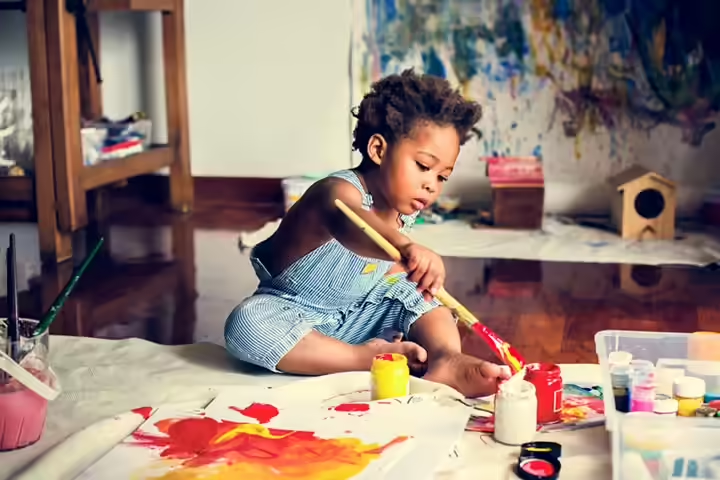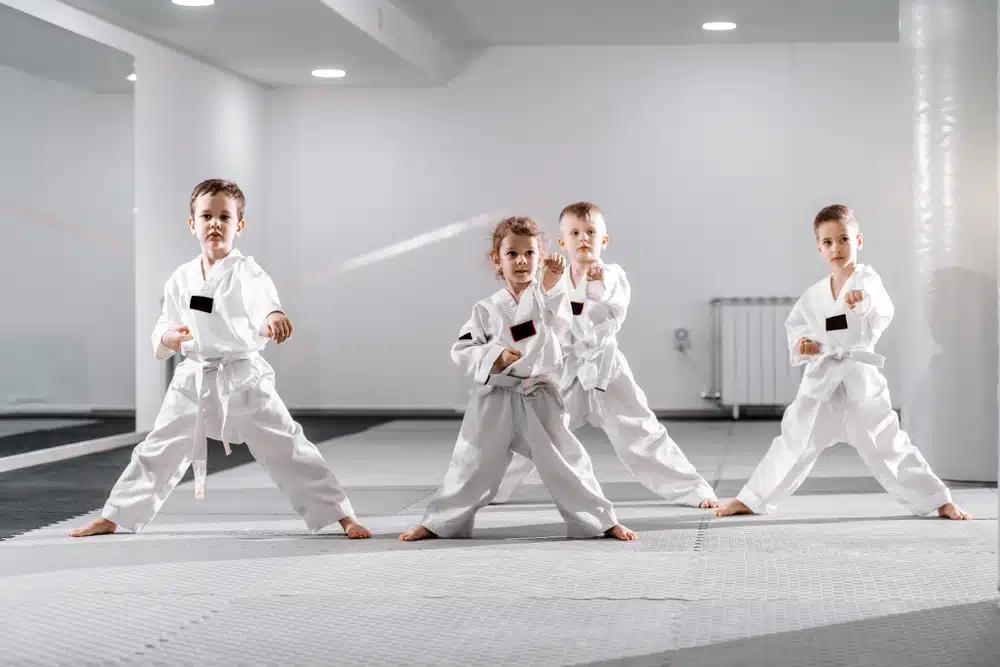
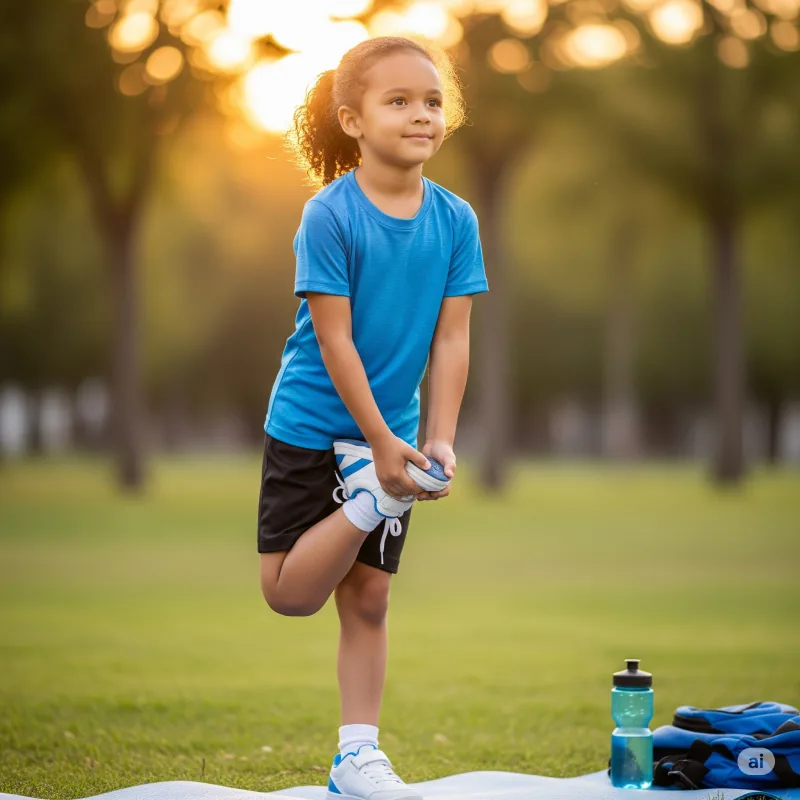
Helping a child become active is not about turning them into a serious athlete. For most families, child fitness and wellness means building a healthy relationship with movement, teaching body awareness, and creating routines that support growth, confidence, and emotional well-being. Children who move regularly tend to sleep better, build stronger bones and muscles, improve coordination, and develop healthy habits that can stay with them for life.
Parents often feel unsure about what is appropriate. Should a young child follow a routine? How hard is too hard? What if your child loves sports but ignores signs of tiredness? What if they avoid exercise completely? The goal is not perfection. The goal is balance. A good training approach should fit your child’s age, personality, and stage of development. It should feel supportive rather than pressuring.
In this guide, you will learn how to choose age-appropriate exercise, teach children to listen to their bodies, support them with food and hydration, protect recovery time, build motivation without pressure, and spot warning signs that mean it is time to slow down. If you want to raise an active child in a safe and realistic way, this is where to start.
Why child fitness should focus on wellness first
When adults think about training, they often think about goals like speed, weight loss, muscle gain, or performance. Children need a different lens. Their bodies are still growing, their coordination is still developing, and their emotional connection to activity is easily shaped by early experiences. If movement feels joyful and encouraging, children are more likely to stay active. If it feels stressful, critical, or overly competitive, they may pull away.
That is why wellness comes first. A healthy plan supports physical development, but it also protects confidence, mood, and body trust. This is especially important for girls, sensitive children, and children who compare themselves quickly. Praise effort, consistency, and enjoyment rather than only outcomes. Let activity be something they do with their body, not something they do against it.
Age-appropriate exercise for children
Children do not need adult-style workouts. They need movement that matches their growth stage. The best exercise at one age may be frustrating or unnecessary at another. Keeping expectations age-appropriate reduces injury risk and helps children feel successful.
Ages 2 to 5: play is the workout
For preschoolers, movement should mostly look like play. Running, climbing, jumping, dancing, throwing, balancing, and imaginative games are ideal. Structured drills are usually not needed. At this age, children build coordination through repetition, variety, and fun. Short bursts of activity throughout the day work better than a long planned session.
Ages 6 to 9: build basic skills
School-age children can begin learning simple movement patterns and sport skills. This is a good stage for swimming, gymnastics, martial arts, cycling, playground circuits, and beginner team sports. Keep instructions clear and brief. Children still learn best through doing, not through long explanations. The main goals are balance, agility, confidence, and enjoyment.
Ages 10 to 12: introduce simple structure
Older children can usually handle more structured routines, as long as the program still respects recovery and variety. They may enjoy skill practice, bodyweight strength work, easy interval play, or regular sport sessions. This is also a good age to teach warm-ups, cool-downs, and body awareness. Avoid pushing heavy weight training or intense daily specialization unless guided by a qualified youth professional.
Teen years: support growth, not pressure
Teenagers may become more goal-oriented, but they still need recovery, nutrition, and emotional support. Some teens enjoy performance-based goals, while others need freedom and low-pressure movement to stay consistent. Encourage participation, autonomy, and healthy habits. Watch for signs of burnout, negative body image, or perfectionism, especially in sports that focus heavily on appearance or weight.
How to teach children to listen to body signals
One of the most valuable lessons you can teach is this: discomfort is information. Children should know the difference between effort and pain, tiredness and injury, challenge and overwhelm. Many children keep going because they want to please adults, avoid disappointing a coach, or prove they are strong. That is why parents need to normalize self-awareness.
Start with simple check-ins before and after activity. Ask questions like: “Do your legs feel strong today?†“Are you hungry, thirsty, sore, or tired?†“Did anything hurt while you were running?†These questions help children build language for what they feel. Over time, they learn that noticing their body is a normal part of exercise, not a weakness.
Teach a few clear examples. Breathing hard during play can be normal. Mild muscle tiredness after activity can be normal. Sharp pain, dizziness, chest discomfort, limping, or feeling faint are not normal and should be taken seriously. If a child says something hurts, pause first. Children should never feel punished for speaking up.
Nutrition habits that support active children
Exercise works best when children are well-fueled. A child who skips meals, drinks too little, or relies mostly on ultra-processed snacks may have low energy, poor concentration, and slower recovery. Parents do not need to create a perfect diet, but a few basics make a big difference.
Build meals around simple balance
Try to include a source of protein, a source of carbohydrates, colorful fruits or vegetables, and healthy fats across the day. Protein supports growth and repair. Carbohydrates provide quick energy for movement and play. Fruits and vegetables provide vitamins, minerals, and fiber. Healthy fats support hormones, brain health, and steady energy.
For a realistic family pattern, think about examples such as eggs and toast with fruit at breakfast, yogurt with berries as a snack, rice with chicken and vegetables at lunch, or peanut butter on toast after activity. Fancy “fitness foods†are not necessary. Consistent, familiar meals usually work better.
Pre-activity snacks and post-activity recovery
If your child is active soon after school or later in the afternoon, a small snack can help. Fruit, yogurt, milk, toast, a banana with peanut butter, or crackers with cheese are practical options. After longer or more intense activity, offer food within a reasonable window so they can refuel. This does not need to be complicated. A balanced meal or snack is enough.
If you want more help building healthy habits around growth and food, our nutrition tips for raising healthy young children is a helpful next read.
Hydration matters more than many parents realize
Children can get distracted during play and forget to drink. Encourage water breaks before, during, and after activity, especially in hot weather. Signs of poor hydration can include tiredness, headache, irritability, dry lips, and dark yellow urine. For most routine activity, water is enough. Sports drinks are usually unnecessary unless a child is doing prolonged, intense exercise in heat.
If your child is especially active, you can use our water intake calculator as a simple family reference point, then adjust based on weather, activity, and your child’s needs.
Why sleep and recovery are part of training
Many parents think progress happens during practice. In reality, a lot of progress happens during rest. Sleep is when the body repairs tissue, supports growth, and consolidates learning. Recovery also gives the nervous system a break. Without enough sleep and downtime, children may become irritable, clumsy, less motivated, or more injury-prone.
Recovery includes more than sleep. It also includes lighter days, relaxed play, stretching, quiet time, and protection from overscheduling. Children do not need to “earn†rest. Rest is part of a healthy routine. If your child has sports several days a week, look at the whole calendar. A child may tolerate one session well, but still become overloaded when school, homework, poor sleep, and weekend competitions all stack together.
Signs your child may need more recovery
Watch for ongoing soreness, crankiness, lack of enthusiasm, trouble falling asleep, repeated illnesses, declining performance, or complaints of aches that keep returning. None of these automatically means overtraining, but together they can signal that the balance is off. Scaling back early is much better than pushing through until a larger issue develops.
How to motivate a child without creating pressure
Children are more likely to stay active when motivation feels internal rather than forced. That means helping them enjoy movement, notice progress, and feel ownership over what they do. Pressure can create short-term compliance, but it often damages long-term confidence and trust.
Let interest lead when possible
Some children love swimming. Some love dance, football, martial arts, cycling, or simply outdoor play. If you can, give them room to explore before narrowing into one path. Interest creates consistency. Consistency creates skill. That path is usually stronger than trying to force a child into the activity an adult prefers.
Praise effort, not only results
Instead of saying “You are the best,†try “I noticed how focused you were,†“You kept trying even when that felt hard,†or “You listened to your body and took a break when you needed it.†This kind of praise teaches children that their worth is not tied only to winning, speed, or comparison.
Use routines, not constant reminders
Children often respond better to routines than repeated lectures. A predictable after-school walk, a weekend bike ride, or two family activity evenings each week can reduce power struggles. Once movement is simply “what we do,†it feels less like a battle and more like family culture.
If your child tends to doubt themselves, our guide on how parents can build confidence in their child can help you reinforce motivation in a healthy way.
Safety tips every parent should keep in mind
Safety does not mean making children afraid of movement. It means creating an environment where they can be active with confidence. Start with basics: proper footwear, weather-appropriate clothing, water access, and supervision that matches the child’s age and activity. Make sure equipment fits correctly and is in good condition.
Warm-ups do not need to be long, but they are useful. A few minutes of brisk walking, easy jogging, skipping, arm circles, and dynamic movement can help prepare the body. Cool-downs can be simple too. Slowing down gradually and doing light stretching after activity is often enough.
Pay attention to heat, poor air quality, and illness. If your child has fever, breathing trouble, vomiting, or unusual fatigue, rest is the safer choice. If they have asthma or another medical condition, follow their care plan and check with their clinician if you are unsure about activity levels.
A simple weekly fitness routine for families
You do not need a strict program to build healthy habits. A simple weekly rhythm can work well:
- Two to three days of active outdoor play such as cycling, running games, or the playground
- One to two days of a structured activity such as swimming, martial arts, dance, or a team sport
- One family movement day with walking, stretching, or a fun activity together
- At least one lighter day with gentle movement and extra recovery
This kind of approach gives children variety without making exercise feel like a full-time job. If your child is already in organized sports, use that to guide the rest of the week. The goal is not to add more and more. The goal is to create a balanced routine they can sustain.
When to get medical advice
Seek professional advice if your child has repeated injuries, persistent pain, unexplained shortness of breath, fainting, chest symptoms, or unusual exhaustion during ordinary activity. Also ask for support if your child becomes highly anxious about sports, obsessed with performance, or starts using exercise in a compulsive way. Physical wellness and mental wellness should always be protected together.
For most families, the best child fitness plan is simple, flexible, and encouraging. Children do not need extreme routines to become strong and healthy. They need movement they enjoy, adults who listen, food that fuels them, rest that protects them, and guidance that helps them trust their own bodies. When parents lead with wellness instead of pressure, children are far more likely to grow into active, confident, resilient people.
Frequently Asked Questions
Most children benefit from around 60 minutes of physical activity each day. That can include free play, walking, cycling, sports, dancing, playground time, or active games at home.
Watch for signs such as constant tiredness, irritability, repeated complaints of pain, poor sleep, low enthusiasm, or a drop in performance. These signs suggest your child may need more rest or a lighter routine.
Children can do age-appropriate strength work such as climbing, bodyweight movements, resistance bands, and supervised skill-based exercises. The focus should be technique, control, and fun rather than lifting heavy loads.
A light snack with easy energy works well, such as fruit, yogurt, toast, or crackers with cheese. Try to avoid sending children into activity very hungry or heavily full.